
What Keeps Lawyers Up at Night: Highlights from the Lancaster County Bench Bar Ethics Seminar
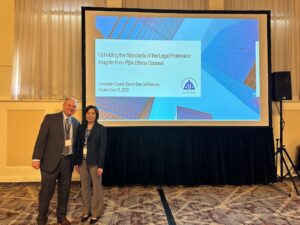 Attorney Richard C. Howard, Jr. co-presented “What Keeps Lawyers Up at Night” at the Lancaster County Bench Bar Conference on September 15, 2025, alongside Victoria L. White, Chief Ethics Counsel for the Pennsylvania Bar Association (PBA). Rick serves as a member of the PBA Ethics Committee. The PBA Ethics Committee is one which is by invite only, for lawyers who have a solid reputation for upholding ethical standards in the profession.
The lively session walked through real-world scenarios that trigger professional-responsibility headaches and how to navigate them with confidence.
10 Issues That Keep Practitioners Awake and What to Do About Them
- Threats of disciplinary complaints from opposing counsel. You can’t bargain with ethics. PBA Rule 8.3 mandates reporting certain misconduct; leveraging a threat to extract concessions is improper. The discussion entailed how to courageously push back against such threats while upholding adherence to the Rules.
- Threats of disciplinary complaints from clients. If fear of a complaint materially limits your judgment, that’s a Rule 1.7 conflict. This can present a delicate problem for a lawyer. Continue only if you can remain competent and diligent and the client gives informed consent.
- A call from the Office of Disciplinary Counsel. Don’t panic. Cooperate, respond to official requests, and if necessary, retain counsel. Non-response is itself sanctionable.
- Whether to report another lawyer and how. Reporting requires knowledge of misconduct that raises a substantial question about honesty or fitness; consider confidentiality and client consent if the information arose in a representation. Mere suspicion is often not enough.
- Responding to a subpoena for client information. Notify the client, explore challenges, follow court orders if they stand, and limit disclosures to what’s required.
- Discovering a material error in a matter. Even the best lawyers may err in the course of clients’ representations. If a lawyer errs and the error is material, the lawyer must inform a current client of the error. Tell the client promptly. If the error is material, a conflict may arise—advise the client to seek independent counsel and notify your carrier.
- Negative online reviews. Rule 1.6 confidentiality survives the engagement; the “self-defense” exception doesn’t open the door to public point-by-point rebuttals. Consider a neutral, non-revealing response, if any.
- Data breaches and cyberattacks. Competence now includes cybersecurity: monitor, stop, and remediate breaches; protect confidentiality; and communicate material facts so clients can make informed decisions.
- Clients who lie (anticipated or past perjury). Don’t assist fraud. Try to dissuade, and, if necessary, withdraw. If false material testimony has been offered, take remedial measures, even disclosure, if required.
- “My boss told me to do it.” Subordinates are still bound by the Rules. You may rely on a supervisor’s reasonable resolution of an arguable ethics question but not on plainly unethical direction.
Practical Resources
- PBA Ethics Hotline: (800) 932-0311 ext. 2214 This is a confidential first stop for ethics guidance from PBA Counsel for PBA Members.
- PBA Legal Ethics & Professional Responsibility Committee: Opinions and updates on recent rule changes help you stay current.
Act. Communicate. Document.
These issues share a theme: act early, communicate clearly, and document decisions. When in doubt, seek guidance, whether through the PBA Ethics Hotline or independent counsel.
This post is a general summary of seminar content and is not legal advice.